


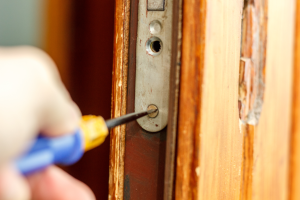
A lock can wear down gradually, which means the warning signs are not always obvious at first. You may notice that the key sticks, the lock feels loose, or the door does not latch as smoothly as it used to.
When a lock no longer works reliably, it can become frustrating to use and may no longer fit your home’s security needs. Below, this lock replacement company in the Warrenville, Illinois area is going to explain some common signs that a lock may be worn out or failing.
Why Is My Key Hard to Turn?
A key that is hard to turn can be a sign that the lock is wearing out. The internal parts may be dirty, damaged, misaligned, or no longer moving smoothly.
If you have to jiggle the key, pull it slightly out, push it in harder, or turn it at a certain angle to make the lock work, the hardware should be inspected. These small frustrations can become bigger problems if the lock eventually stops working altogether.
If you own a home in the Warrenville area, it is better to address this type of issue before the lock becomes unreliable.
Why Does My Key Get Stuck in the Lock?
A key that gets stuck can point to an internal lock problem, a worn key, or a misaligned door. Sometimes the key may go in easily but become difficult to remove. Other times, it may feel like it is catching inside the lock.
This should not be ignored. Forcing the key can cause it to bend or break inside the lock, which can make the repair more complicated.
If the key is sticking repeatedly, it is time to have the lock checked.
What Does It Mean If the Lock Feels Loose?
A loose lock can mean the hardware is worn, the screws are loose, or the internal components are no longer holding properly. You may notice movement in the knob, lever, deadbolt, cylinder, or strike plate.
A lock should feel stable when you use it. If the hardware shifts, rattles, or pulls away from the door, it may not be working as it should.
A lock replacement company in the Warrenville, Illinois area can inspect the hardware and determine whether tightening, repair, rekeying, or replacement is the right next step.
Why Is My Door Hard to Lock or Unlock?
If the door has to be pushed, pulled, lifted, or forced before the lock works, there may be an alignment issue. The lock and strike plate may no longer line up correctly, or the door may have shifted over time.
This can happen because of regular use, settling, weather-related expansion, loose hinges, or worn hardware. Even if the lock itself is still functioning, poor alignment can place extra strain on the mechanism.
A lock should operate smoothly without needing extra force.
What If the Lock Only Works Sometimes?
A lock that works inconsistently should be inspected. If it locks one day and sticks the next, or if one key works better than another, the hardware may be wearing out.
Intermittent problems can be easy to dismiss because the lock still works part of the time. However, this kind of inconsistency can be a warning sign that the lock may eventually fail.
It is better to deal with the issue while the lock is still somewhat functional.
Can Rust or Corrosion Cause Lock Problems?
Yes. Rust, corrosion, or visible wear can affect how a lock operates. Moisture, age, and exposure can cause parts to become stiff, rough, or unreliable.
You may notice discoloration, flaking, rough movement, or a lock that feels harder to use than it once did. Exterior locks are especially likely to show wear over time because they are exposed to changing weather.
If corrosion is affecting the way the lock works, replacement may be worth discussing.
Should I Be Concerned If the Lock Is Making Noise?
A lock that grinds, scrapes, clicks unusually, or feels rough when turning may have worn internal parts. Some noise can come from misalignment, while other sounds may suggest that the lock mechanism is not moving cleanly.
The sound itself may not tell you exactly what is wrong, but it does indicate that the lock is not operating as smoothly as it should.
A lock replacement company in Warrenville, Illinois can evaluate the lock and explain whether the issue is with the lock, the key, the door, or the strike plate.
What If the Key Looks Worn or Bent?
Sometimes the problem is not only the lock. A worn, bent, cracked, or poorly copied key can make a lock harder to use.
However, if multiple keys have the same problem, the lock itself may be the issue. It is helpful to test more than one key if you have one available, but repeated sticking or catching should still be checked.
A locksmith can determine whether the key, the lock, or both are contributing to the problem.
When Should a Lock Be Replaced Instead of Repaired?
A lock may need to be replaced if it is damaged, badly worn, loose, corroded, unreliable, or no longer operating smoothly. Replacement may also make sense if the lock no longer fits your current access needs.
In some cases, a repair or adjustment may be enough. In other cases, the hardware may be too worn to depend on long term.
The right option depends on the lock’s condition, the door, and how the lock is being used.
Looking for a Lock Replacement Company in the Warrenville, Illinois Area?
Signs of a worn or failing lock may include a sticking key, loose hardware, difficulty locking or unlocking the door, inconsistent operation, corrosion, unusual noises, or visible damage. If your lock is no longer working smoothly, a lock replacement company in Warrenville, Illinois can inspect the hardware and explain your options.
At Suburban Door Check & Lock Service, we help homeowners with lock replacement, rekeying, and residential lock services. Contact us to schedule service and make sure your home’s locks are working properly.
Recent Comments