

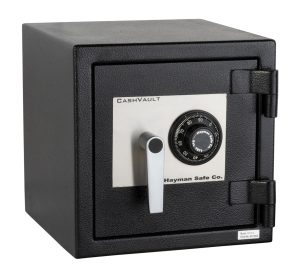
Home safes are designed to help homeowners store important belongings, documents, and valuables in a more secure and organized way. However, like many other household security products, safes can experience wear over time depending on how frequently they are used, the environment they are kept in, and the condition of their locking components.
Because home safes are often viewed as long-term investments, many homeowners eventually wonder how long a safe is expected to last and when repairs, upgrades, or replacement may become necessary. Below, this residential safe installer in Westmont, Illinois is going to explain some of the factors that can affect the lifespan of a home safe, and we’ll also discuss several signs that may indicate a safe should be professionally evaluated.
Many Home Safes Last for Years
A properly installed and well-maintained home safe may remain functional for many years.
However, overall lifespan can vary depending on factors such as:
- Construction quality
- Frequency of use
- Environmental conditions
- Locking system type
- Internal component wear
Some safes experience very little daily use, while others are opened and closed regularly over long periods of time.
Lock Components May Wear Over Time
Even when the body of the safe remains structurally sound, locking components can eventually experience wear.
This may involve:
- Key mechanisms
- Dial systems
- Electronic keypads
- Internal locking bolts
- Hinges and hardware
As components age, homeowners may begin noticing operational inconsistencies or difficulty accessing the safe smoothly.
An experienced residential safe installer in Westmont, Illinois can inspect your safe hardware and determine whether repairs or upgrades may be appropriate.
Environmental Conditions Can Affect Safe Performance
The location of the safe inside the home may also affect its long-term condition.
Factors such as:
- Humidity
- Moisture exposure
- Temperature fluctuations
- Basement conditions
- Corrosion exposure
may gradually affect certain components over time, particularly if the safe is installed in areas prone to damp conditions.
Electronic Components May Require Attention
Some modern home safes include electronic locking systems or digital keypads.
Over time, electronic components may experience:
- Battery-related issues
- Keypad wear
- Electrical malfunctions
- Connectivity or programming concerns
While the safe itself may remain structurally intact, the locking system may eventually require repair or replacement.
Frequent Use Can Increase Wear
Safes that are opened frequently may experience more wear than units used only occasionally.
Homeowners throughout the Westmont area sometimes notice increased wear involving:
- Hinges
- Handles
- Dial operation
- Internal locking systems
Higher usage levels may gradually affect the smooth operation of moving components over time.
Physical Damage May Affect Lifespan
In some situations, safes may experience physical damage that affects long-term functionality.
Potential issues can include:
- Impact damage
- Door misalignment
- Hinge problems
- Locking mechanism damage
- Corrosion-related deterioration
Professional inspection may help determine whether repairs are practical or whether replacement should be considered.
A good residential safe installer in Westmont, Illinois can help evaluate whether an existing safe remains in reliable working condition.
Technology and Security Needs May Change
Some homeowners replace safes not because the unit has failed, but because their storage or security needs have changed over time.
This may involve:
- Additional storage requirements
- Different locking preferences
- Updated installation locations
- Changes to household organization needs
In these situations, homeowners may choose to upgrade to a different safe configuration that better fits current needs.
Proper Installation Can Support Long-Term Performance
Correct installation plays an important role in helping a safe remain stable and functional over time.
Professional installation may help address:
- Secure placement
- Floor anchoring
- Weight distribution
- Accessibility considerations
- Environmental placement concerns
These factors can contribute to the long-term reliability of the safe and surrounding hardware.
Looking for a Residential Safe Installer in Westmont, Illinois?
Home safes can often remain functional for many years, but locking systems, hinges, and internal components may eventually experience wear over time. A professional residential safe installer in Westmont, Illinois can help inspect your safe, evaluate its condition, and recommend repair, upgrade, or replacement options when necessary.
At Suburban Door Check & Lock Services, we help homeowners throughout Westmont and the surrounding areas with residential safe installation and security hardware solutions designed to support long-term functionality and secure storage needs. Contact us to learn more.
Recent Comments