

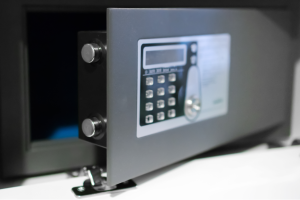
Choosing a safe is not just about where it will be placed in your home. It also involves understanding what you plan to store and how much space those items will require over time. Many homeowners focus on the exterior dimensions, but interior capacity and organization often matter just as much.
Selecting the right size safe starts with thinking through both your current needs and what you may want to store in the future. Below, this residential safe installer in Western Springs, Illinois is going to explore some key factors that can help guide that decision.
Start with What You Plan to Store
The first step is identifying the types of items the safe will hold.
Common examples include:
- Documents and records
- Jewelry and personal valuables
- Firearms or related equipment
- Small electronics or sensitive items
Each category takes up space in a different way. Documents may stack neatly, while other items may require more room for proper storage and access.
Think About Future Storage Needs
It is easy to choose a safe based only on current needs.
However, storage needs often change over time. Adding new items or reorganizing existing ones can quickly reduce available space. Choosing a size that allows for some flexibility can help avoid limitations later.
This approach helps ensure the safe remains useful as your storage needs evolve.
Interior Layout and Organization
The usable space inside a safe is not just about total volume.
Shelving, compartments, and layout all affect how efficiently items can be stored. A well-organized interior allows for better use of space and easier access to what you need.
A good residential safe installer in the Western Springs, Illinois area can help you evaluate how different interior layouts may affect overall storage capacity.
Placement Within the Home
Where the safe will be installed can influence the size you choose.
Available space, accessibility, and how the safe fits within the room all need to be considered. A safe that is too large for the intended area may be difficult to place properly, while one that is too small may not meet your storage needs.
Balancing size with placement helps ensure the safe integrates well into your home.
Accessibility and Frequency of Use
How often you plan to access the safe is another important factor.
Items that are used frequently may need to be more easily accessible, which can affect how space is organized. A larger safe may provide more flexibility for arranging items in a way that makes access more convenient.
Avoiding the Limitations of a Smaller Safe
Choosing a smaller safe may seem practical at first, but it can lead to limitations over time.
As storage needs increase, space can become restricted, making it harder to organize and access items. This often leads homeowners to reconsider their initial choice.
An experienced residential safe installer in the Western Springs, Illinois area can help you determine whether the size you are considering will meet both current and future needs.
Creating a More Functional Storage Solution
A properly sized safe allows for better organization and consistent use.
Rather than working around limited space, the right size supports a more functional approach to storing important items. This helps ensure that everything can be stored securely without unnecessary adjustments.
Looking for a Residential Safe Installer in the Western Springs, Illinois Area?
Choosing the right safe involves more than selecting a size. It requires understanding how that space will be used over time and how it fits within your home. A good residential safe installer in the Western Springs, Illinois area can help you evaluate your needs and recommend a solution that aligns with both your space and storage goals.
At Suburban Door Check & Lock Services, we provide residential safe installation services designed to support secure and organized storage within your home. Contact us to learn more about selecting a safe that fits your needs.
Recent Comments